
What I Did When I Felt Busy but Still Unproductive
Introduction: When My Days Were Full but My Results Were Empty
There was a phase where my calendar was packed, my to-do list never ended, and my days felt exhausting.
Yet at the end of each day, I asked myself the same question:
“What did I actually get done?”
The answer was usually unclear.
I wasn’t lazy.
I wasn’t distracted by nothing.
I was genuinely busy.
But I was still unproductive.
This article is about that phase, what I realized was wrong, what I changed step by step, and how I learned the difference between being busy and making progress.
How I Realized “Busy” Was Hiding a Deeper Problem
At first, I blamed time.
I told myself:
- “I don’t have enough hours.”
- “Once things slow down, I’ll focus.”
- “This is just part of building something.”
But nothing slowed down.
The work kept expanding to fill the day. Tasks multiplied. And my sense of progress kept shrinking.
That’s when I noticed something uncomfortable:
I was reacting all day, not directing my work.
I wasn’t choosing what mattered.
I was responding to whatever showed up next.
The Real Issue: I Confused Activity With Progress
Looking back, most of my day was filled with:
- checking things
- organizing things
- adjusting things
- fixing small details
- switching between tasks
These activities felt productive, but they rarely moved anything forward.
I was maintaining motion, not creating momentum.
Once I understood this difference, everything changed.
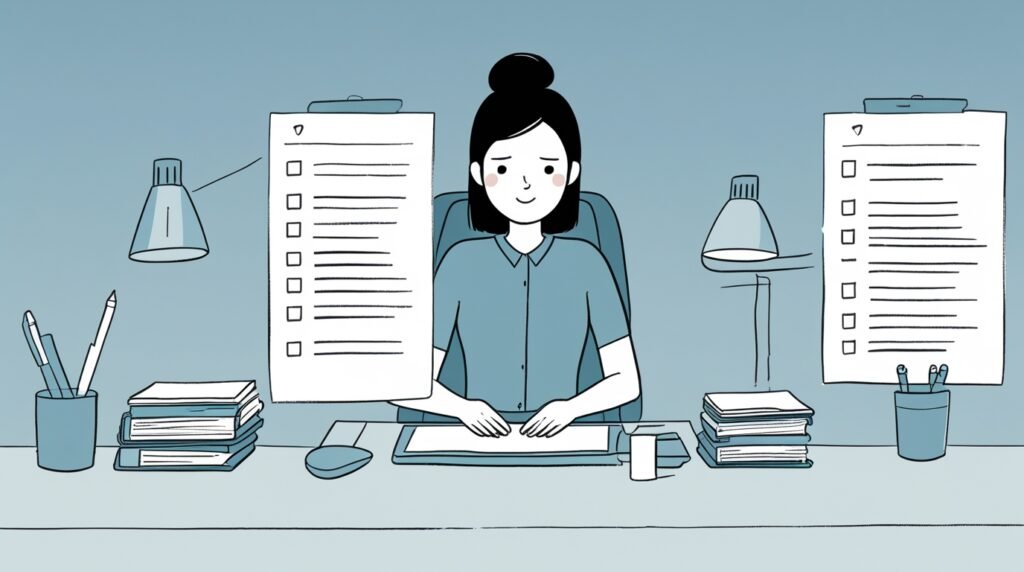
Step 1: I Defined What “Productive” Actually Meant
Before fixing productivity, I had to define it.
For me, productivity stopped meaning:
- finishing many tasks
- staying busy all day
- clearing my inbox
Instead, productivity became:
Doing fewer things that clearly move something forward.
This definition gave me a filter for my day.
Step 2: I Stopped Starting My Day With a To-Do List
This was a big shift.
My to-do lists were long, random, and overwhelming. They made every task feel equally important.
So I changed my approach.
Instead of asking:
“What do I need to do today?”
I asked:
“What would make today successful if it were the only thing I finished?”
That one question simplified my days instantly.
Step 3: I Identified My “Fake Work”
This was uncomfortable, but necessary.
I noticed I spent a lot of time on tasks that:
- looked professional
- felt responsible
- avoided harder decisions
Things like:
- over-planning
- over-organizing
- constant tweaking
- unnecessary research
I called this fake work.
Once I labeled it, I could limit it.
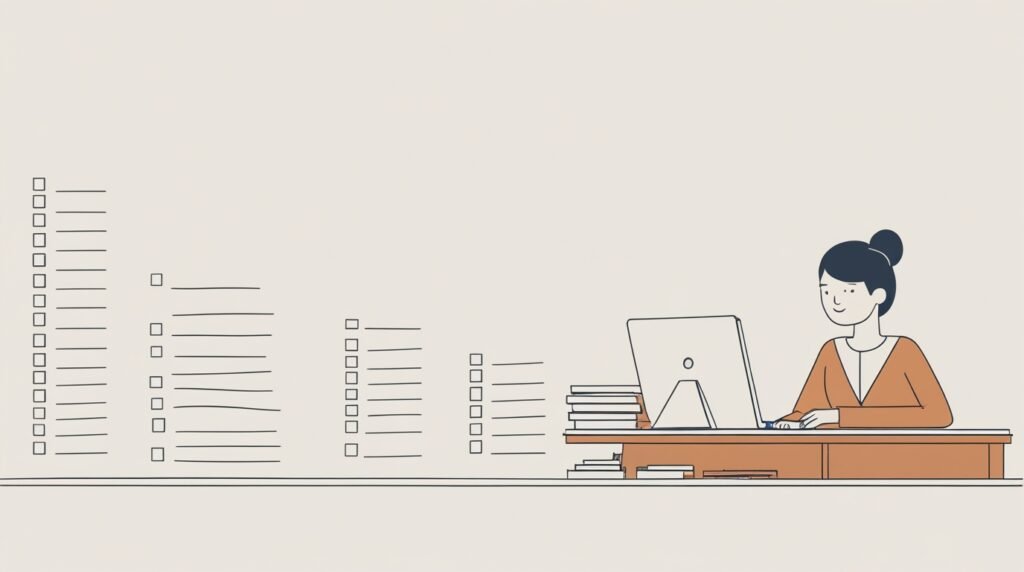
Step 4: I Reduced Context Switching on Purpose
One major reason I felt unproductive was constant switching.
I’d write for 10 minutes, then check messages, then adjust something small, then research something unrelated.
Nothing reached completion.
So I made one rule:
One type of work per block.
No bouncing between tasks.
No multitasking across goals.
This didn’t make me faster, it made me effective.
Step 5: I Limited How Much I Could Work in a Day
This sounds counterintuitive, but it helped.
When I gave myself unlimited work time, tasks expanded endlessly.
So I set boundaries:
- fewer work hours
- fewer allowed tasks
- fewer decisions per day
With limits in place, I became more intentional.
Step 6: I Started Measuring Output, Not Effort
Before, I judged my day by how tired I felt.
Now I judge it by:
- what I finished
- what moved forward
- what became clearer
Some days felt “light” but produced more than my busiest days ever did.
That taught me an important lesson:
Effort doesn’t equal effectiveness.
Step 7: I Used AI to Remove Friction, Not Direction
AI helped, but not in the way I expected.
I didn’t use it to decide what to work on.
I used it to reduce friction once I already knew.
I let AI help with:
- drafting
- organizing
- summarizing
- repetitive writing
This freed my energy for thinking and decision-making.
AI didn’t fix my productivity by itself.
Clarity did.
What Changed After I Fixed This Pattern
The biggest change wasn’t output, it was mental calm.
My days felt:
- quieter
- simpler
- more intentional
I still worked, but I stopped feeling scattered.
Productivity became something I could feel during the day, not just hope for afterward.
Mistakes I No Longer Make
Looking back, here’s what I stopped doing:
- filling every hour with tasks
- treating all work as equal
- multitasking across goals
- using busyness as proof of progress
- avoiding hard priorities
Avoiding these mistakes saved me more time than any productivity trick.
Why This Phase Is So Common
Feeling busy but unproductive doesn’t mean you’re bad at work.
It usually means:
- you care
- you’re trying
- you haven’t built clear filters yet
This phase often appears before clarity, not after failure.
Who This Article Is For
This is for you if:
- your days feel full but unclear
- you’re always “working” but rarely satisfied
- you end the day tired but unsure why
- you want effectiveness without burnout
You don’t need to work more.
You need to work with intention.
Conclusion: Productivity Came When I Chose Fewer Things
I didn’t become productive by doing more.
I became productive by:
- choosing fewer priorities
- finishing what mattered
- removing fake work
- and protecting my attention
If you feel busy but unproductive right now, pause.
Ask yourself:
“What would actually make today count?”
That question changed everything for me.
If you want a simple, experience-based approach to building clarity and effectiveness in business, you can check out my book:
Blueprint to Business Success, written in clear language, based on real learning and real mistakes.
Related reading
More honest lessons from the journey: